Tuesday, November 12, 2024

Nighttime Septic Tank Smells: What Could Be Causing It?

Nighttime Septic Tank Smells: What Could Be Causing It?

Nighttime Septic Tank Smells: What Could Be Causing It?

The sweet aroma of freshly cut grass and blooming flowers is a welcome sight (and smell) for most homeowners. But when the air is thick with a foul odor, especially at night, your idyllic home life quickly takes a turn for the worse. If you’re experiencing nighttime septic tank smells, it's time to investigate the root of the problem. The good news is that most septic issues can be resolved with timely action.

Common Culprits Behind Nighttime Septic Tank Smells

While the nighttime odor might seem like a strange coincidence, it often points to specific factors that intensify during the cooler evening hours. The following are some of the most common causes of nighttime septic tank smells:

1. Temperature Fluctuations

During the day, the sun warms the ground and your septic system. This heat helps to suppress the bacteria that produce the foul smells. But as temperatures drop at night, the bacteria become more active, resulting in a stronger odor.

2. Increased Household Activity

Many families tend to use more water in the evening. This is especially true during the summer when people are home from work and school. This increased water usage can overload the system, leading to backups and unpleasant smells.

3. Leaks or Cracks

Leaks or cracks in your septic tank or drainfield can allow sewage to escape and create odors. The smell often becomes more noticeable at night due to temperature variations and the lack of wind to disperse the scent.

4. Septic System Age

As your septic system ages, the components can wear out, leading to leaks, clogs, and reduced functionality. An older system may be more prone to producing strong odors, particularly at night.

5. Overloading the System

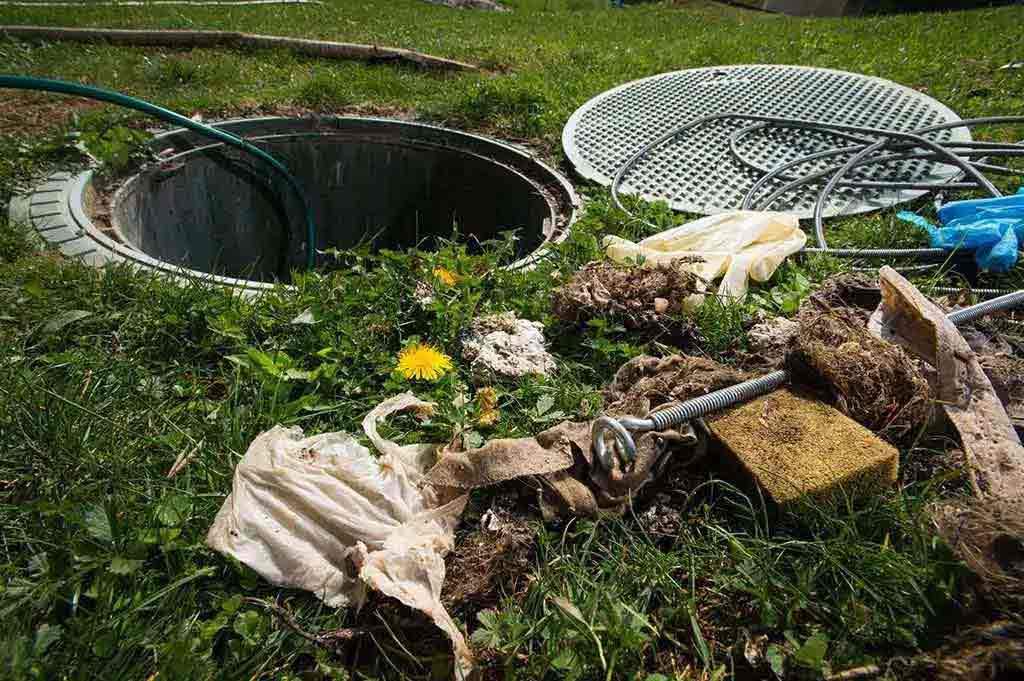
If you’re using your septic system to dispose of items it wasn’t designed for, you can overload it. This can lead to backups and the release of unpleasant smells. Avoid flushing things like:

  • Flushable wipes
  • Paper towels
  • Food scraps
  • Hair
  • Grease
  • Chemicals
  • Solving the Nighttime Septic Tank Smell Problem

    Once you’ve identified the potential source of the odor, it's time to take action. Here are some steps you can take to resolve the issue:

    1. Contact a Septic Professional

    It's always best to consult with a licensed and experienced septic technician. They can inspect your system, identify the problem, and recommend the appropriate solutions.

    2. Maintain Your Septic System

    Regular maintenance is key to preventing septic system problems. This includes having your system inspected and pumped out every 3-5 years. It’s also essential to avoid overloading the system by being mindful of what you flush and dispose of.

    3. Repair or Replace Damaged Components

    If your system has leaks or cracks, these should be repaired promptly. In some cases, you may need to replace parts or the entire septic system if it’s too old or damaged.

    4. Improve Ventilation

    If you have a septic tank vent, make sure it’s clear and unobstructed. This will help to disperse any odors that might escape from the system. You can also consider using an odor-absorbing product to help neutralize any remaining smells.

    Conclusion

    Nighttime septic tank smells can be unpleasant, but they don't have to be a constant source of frustration. By understanding the common causes and taking proactive steps, you can eliminate these odors and restore a pleasant atmosphere in your home.

    Read More..

    Best Natural Methods to Stop Septic Tank Smells Outdoors

    Best Natural Methods to Stop Septic Tank Smells Outdoors

    Banishing Those Unwanted Septic Tank Smells: A Guide to Natural Solutions

    The unmistakable scent of a malfunctioning septic system is not something anyone enjoys. Thankfully, there are several natural methods you can employ to tackle those odorous issues, restoring the fresh air to your outdoor space. We'll explore effective solutions that are easy to implement and gentle on the environment.

    Understanding the Source of the Smell

    Before diving into remedies, it's essential to understand why your septic tank is producing unpleasant smells. The most common culprit is a buildup of hydrogen sulfide gas, which is a byproduct of the bacteria decomposing waste in your tank. This gas can escape through vents, cracks in the system, or even through the soil itself, causing that recognizable "rotten egg" odor.

    Natural Methods to Combat the Smell

    1. Aeration and Ventilation:

    Improving the air circulation around your septic system can significantly reduce odor. Here's how:

    • Trim Overhanging Trees and Shrubs: Excess foliage can create stagnant air pockets, trapping odors. Trim back any branches or shrubs that are growing over your septic tank or vent pipes.
    • Check and Clean Vents: Ensure your septic tank vents are unobstructed and free from debris. Regular cleaning can prevent odor buildup.
    • Install a Fan: Consider installing a vent fan on your septic tank vent stack. This will help to draw out odors and promote air circulation.

    2. Utilizing Bacteria and Enzymes:

    Septic tank bacteria are essential for breaking down waste, but sometimes, they need a little boost. Here are some ways to enhance their effectiveness:

    • Use Commercial Septic Tank Additives: These products contain beneficial bacteria and enzymes that accelerate the decomposition process, reducing the odor-producing waste.
    • Add Natural Additives: Baking soda, yeast, and vinegar can also be helpful. These create a more hospitable environment for beneficial bacteria, promoting efficient breakdown of waste.

    3. Natural Deodorizers and Neutralizers:

    Certain natural elements can effectively mask or neutralize unpleasant odors.

    • Plant Odor-Absorbing Plants: Aromatic plants like lavender, rosemary, and mint can naturally absorb odors and create a pleasant scent in your yard.
    • Coffee Grounds: Sprinkle coffee grounds around your septic tank area. Their porous structure absorbs unpleasant smells and their rich aroma masks the unwanted odors.
    • Activated Charcoal: Place a container of activated charcoal near your septic system. This powerful absorbent material can effectively trap odors, preventing them from reaching your nose.

    4. Regular Maintenance and Inspections:

    Preventative measures are vital for maintaining a healthy septic system. Schedule regular inspections and pumpings as recommended by your local authorities. This ensures that your system functions efficiently, minimizing the risk of unpleasant odors.

    Conclusion

    While septic tank smells can be a nuisance, they are often preventable. By incorporating these natural methods, you can effectively combat the odor and restore a pleasant atmosphere to your outdoor space. Remember, regular maintenance is key, and if you suspect a more serious issue, consulting a qualified septic system professional is always advisable.

    Read More..

    How to Use Household Items to Stop Septic Tank Smells

    How to Use Household Items to Stop Septic Tank Smells

    Effectively Eliminating Septic Tank Odors Using Common Household Items

    A septic tank system is an essential component of many homes, especially in areas where access to public sewer systems is limited. While these systems are designed to effectively treat wastewater, they can sometimes produce unpleasant odors that permeate the surrounding environment. These odors can be a nuisance, causing discomfort and embarrassment. Fortunately, there are several natural and effective methods using common household items that can help to neutralize and eliminate septic tank smells.

    Understanding Septic Tank Odors

    Before delving into odor-eliminating methods, it's important to understand the source of these unpleasant smells. Septic tank odors typically arise from the breakdown of organic waste in the tank. Anaerobic bacteria, which thrive in oxygen-deprived environments, break down these materials, releasing gases like hydrogen sulfide, ammonia, and methane. These gases are responsible for the characteristic "rotten egg" or "sewer" smell.

    Effective Household Solutions for Septic Tank Odors

    While professional septic tank services can be essential for maintaining the system's long-term health, numerous readily available household items can effectively address odor issues. These methods are often cost-effective and environmentally friendly, providing a safe and efficient way to tackle septic tank smells.

    Baking Soda and Vinegar

    Baking soda and vinegar are common household staples known for their cleaning and deodorizing properties. Their combined action can effectively neutralize unpleasant odors in the septic tank. To use this method, simply pour a cup of baking soda down the drain followed by a cup of vinegar. Allow the mixture to sit for 30 minutes before flushing with ample water. The fizzing reaction between the baking soda and vinegar helps to break down odor-causing compounds and freshen the air.

    Citrus Peels

    The natural oils in citrus peels, particularly lemon and orange, possess potent deodorizing qualities. Disposing of citrus peels down the drain can help to mask unpleasant septic tank odors. Simply collect citrus peels from your kitchen and toss them down the drain. The oils will release a fresh, citrusy scent, effectively masking the unwanted odors.

    Bleach

    Bleach is a potent disinfectant and odor eliminator that can be used to sanitize the septic system and neutralize odors. However, it's important to use bleach sparingly and with caution, as excessive use can disrupt the delicate balance of bacteria within the septic tank. To use bleach, mix one cup of bleach with two gallons of water. Pour the mixture down the drain and allow it to sit for at least 30 minutes before flushing with plenty of water. Repeat this process every few months to maintain a clean and odor-free septic system.

    Borax

    Borax is a natural mineral compound that can be used to eliminate odors and kill bacteria. It can be used in a similar way to bleach, but with slightly different dosages. To use borax, dissolve 1/2 cup of borax in two gallons of water. Pour the mixture down the drain and allow it to sit for at least 30 minutes before flushing with ample water. Repeat this process every few months to maintain a clean and odor-free septic system.

    Essential Oils

    Essential oils, particularly those with strong fragrances like lemon, lavender, and tea tree oil, can effectively mask septic tank odors. To use essential oils, add a few drops of your chosen essential oil to a spray bottle filled with water. Spray the solution around the area where the septic tank odors are strongest. The pleasant scent of the essential oils will neutralize the unpleasant odors, creating a more pleasant environment.

    Preventive Measures for Septic Tank Odors

    Beyond odor elimination, preventive measures play a vital role in maintaining a healthy septic system and preventing future odors. These measures can reduce the buildup of organic waste and ensure proper functioning of the tank.

    Regular Septic Tank Maintenance

    Regular septic tank maintenance is crucial for preventing odors and ensuring the system's longevity. A licensed septic tank professional can perform regular inspections, pump out sludge and scum, and address any potential issues. Aim to have your septic tank inspected and pumped every 3-5 years, depending on the size of your tank and household usage.

    Avoid Overloading the System

    Overloading the septic system can lead to poor waste treatment and increased odor production. Avoid flushing large amounts of solid waste, such as disposable wipes, paper towels, and feminine hygiene products, down the drain. These items can clog the pipes and disrupt the system's proper operation.

    Water Conservation

    Conserving water can significantly reduce the amount of wastewater entering the septic system. Encourage household members to take shorter showers, fix leaky faucets, and water lawns efficiently. Reducing water usage alleviates stress on the septic system and promotes optimal performance.

    Additional Tips for Odor Control

    Here are some additional tips that can further help to eliminate and prevent septic tank odors:

    • Proper Ventilation: Ensure adequate ventilation around the septic tank area. This helps to disperse any released gases, preventing them from accumulating and intensifying the odor.
    • Inspect Drain Field: Regularly inspect the drain field for signs of blockage or damage. A clogged drain field can impede wastewater flow, increasing the likelihood of odors.
    • Avoid Using Harsh Chemicals: Avoid using harsh chemicals, such as drain cleaners and detergents, in excessive amounts. These chemicals can disrupt the natural bacteria in the septic tank and contribute to odor production.
    • Grease Traps: Install grease traps in your kitchen sink to prevent fats and oils from entering the septic system. These substances can clog pipes and create unpleasant odors.
    • Maintain Proper Landscaping: Avoid planting trees or shrubs near the septic tank or drain field. Their roots can penetrate the system and disrupt its operation, potentially leading to odor issues.

    In conclusion, eliminating septic tank odors can be achieved effectively using readily available household items and preventative measures. Implementing the methods outlined above will help to neutralize unpleasant smells, maintain a healthy septic system, and create a more pleasant living environment. Remember, a well-maintained septic system is vital for both odor control and the overall health of your home.

    Read More..

    Causes of Septic Tank Smells in the Backyard

    Causes of Septic Tank Smells in the Backyard

    Unpleasant Odors in Your Backyard: Unmasking the Septic Tank Culprit

    A sweet, pungent odor wafting from your backyard can be a real nuisance, and the culprit might just be your septic system. While a properly functioning septic tank typically keeps these smells underground, various factors can disrupt this balance, leading to an embarrassing and potentially hazardous situation. Understanding the common causes of septic tank smells can help you identify the problem and take corrective measures to eliminate the odor and protect your property.

    Septic Tank Basics: A Primer

    Before we delve into the causes of septic tank smells, let's briefly understand how a septic system operates. A septic tank acts as a primary treatment stage, separating solid waste from wastewater. Solids settle at the bottom, forming sludge, while lighter solids, like grease and oil, float on top forming scum. The partially treated wastewater then flows to a drain field, where it filters through soil and disperses into the ground. This process relies on a healthy balance of bacteria to break down waste and prevent odors.

    Common Causes of Septic Tank Smells

    Several factors can disrupt the delicate equilibrium in your septic system, leading to those unwanted aromas in your backyard. Here are the most common culprits:

    Overloading the Septic Tank

    The primary reason for septic tank odors is overloading. This happens when you introduce more waste than the tank can handle, exceeding its capacity. Factors that contribute to overloading include:

    • Too many people using the system.
    • Excessive flushing, such as using the toilet as a trash bin.
    • Using excessive amounts of water for laundry, dishes, and showers.
    • Improper disposal of grease, oil, and other non-biodegradable materials.

    When the septic tank is overloaded, solids can escape into the drain field, leading to blockage and a foul odor.

    Failing Drain Field

    The drain field is responsible for filtering and dispersing the wastewater, preventing odors from reaching the surface. A failing drain field can occur due to:

    • Clogging: Grease, oil, and solid waste can clog the drain field, hindering drainage and creating a breeding ground for odor-producing bacteria.
    • Soil Compaction: Over time, soil in the drain field can become compacted, reducing its ability to absorb wastewater.
    • Root Intrusion: Tree roots can penetrate the drain field, obstructing flow and creating a pathway for odors to escape.

    A malfunctioning drain field can cause wastewater to back up into the septic tank, leading to overflow and odors.

    Septic Tank Age and Maintenance

    As your septic tank ages, its effectiveness deteriorates. The concrete walls can crack, allowing odors to escape, and the sludge and scum layers thicken, reducing the tank's capacity. Neglecting regular maintenance, such as pumping out the tank every 3-5 years, can also contribute to odor problems.

    Other Factors

    Besides these primary causes, other factors can influence septic tank odors:

    • Weather: Heavy rainfall can saturate the soil, hindering drainage and promoting odor buildup.
    • Dry Weather: Prolonged dry periods can lead to soil compaction, limiting wastewater absorption and increasing odor.
    • Landscape Features: The proximity of trees and shrubs to the drain field can affect drainage and contribute to odors.
    • Ventilation: Proper ventilation is crucial for air circulation, allowing odors to escape safely.

    Addressing Septic Tank Smells

    Dealing with septic tank smells requires addressing the root cause. Here's what you can do:

    Call a Professional

    For any severe or persistent odor, it's crucial to consult a qualified septic system professional. They can perform a thorough inspection, identify the source of the problem, and recommend appropriate solutions. This can include:

    • Pumping out the septic tank: Removing excess sludge and scum will increase the tank's capacity and improve performance.
    • Repairing or replacing the drain field: Addressing any clogs, compaction, or root intrusion will ensure proper drainage.
    • Inspecting and repairing the septic tank: Identifying and fixing cracks or other damage will prevent odor leaks.

    Preventative Measures

    By taking preventative measures, you can minimize the risk of septic tank odors:

    • Limit water usage: Take shorter showers, use water-efficient appliances, and minimize unnecessary flushing.
    • Avoid flushing non-biodegradable materials: This includes grease, oil, coffee grounds, and disposable wipes.
    • Maintain proper ventilation: Ensure that your septic tank vents are clear and functioning correctly.
    • Schedule regular maintenance: Have your septic tank pumped out every 3-5 years to prevent buildup and improve performance.

    By understanding the causes of septic tank smells and taking appropriate action, you can ensure a pleasant backyard environment and avoid potential hazards associated with a malfunctioning septic system. Remember that early detection and proper maintenance are key to keeping your septic system healthy and odor-free.

    Read More..

    Tips for Reducing Septic Tank Smells Outside

    Tips for Reducing Septic Tank Smells Outside

    Tips for Reducing Septic Tank Smells Outside

    A properly functioning septic system should be odorless. If you're experiencing unpleasant smells emanating from your septic tank area, it's a sign that something is amiss and needs attention. Unwanted odors can be embarrassing and may indicate potential problems within your system. This article outlines practical strategies to reduce and eliminate these offensive scents, enhancing the comfort and hygiene of your property.

    Understanding the Source of Septic Tank Odors

    The primary cause of septic tank smells is the release of gases produced by the breakdown of organic waste within the tank. These gases, predominantly hydrogen sulfide (which smells like rotten eggs), ammonia, and methane, can escape through various pathways, leading to those unwanted odors. Here are some common reasons why your septic system might be generating these smells:

    1. Overloading and Insufficient Bacteria

    When your septic tank becomes overloaded with waste, the bacteria responsible for breaking down organic matter cannot keep up. This can lead to a buildup of undigested waste, generating more gases and causing a foul odor.

    2. Septic Tank Lid or Vent Issues

    A damaged or poorly fitted septic tank lid or vent can allow gases to escape directly into the air. Ensure that the lid is properly secured and that the vent is functioning correctly and unobstructed. Regularly inspect the lid and vent for any cracks or signs of damage.

    3. Leaking Pipes or Drainfield Problems

    Leaks in your septic system's pipes or the drainfield can allow wastewater to seep into the surrounding soil, releasing unpleasant odors. Look for signs of wetness or pooling water in the vicinity of your septic system, indicating possible leaks.

    4. Excess Grease and Oil

    Grease and oil do not readily decompose in septic tanks. They can accumulate and form a thick layer, hindering bacterial activity and contributing to odor production. Be mindful of the amount of grease and oil going into your system. Ensure you properly dispose of used cooking oil, avoid pouring grease down the drain, and use a grease trap for your kitchen sink.

    5. Improper Maintenance

    Neglecting regular maintenance is a primary factor contributing to septic tank odors. Septic tanks require routine pumping and inspection to ensure their efficient operation. Lack of maintenance can lead to a buildup of sludge and scum, creating conditions favorable for odor production.

    Effective Strategies to Reduce Septic Tank Smells

    Once you've identified the potential source of the odor, you can implement these strategies to alleviate the problem:

    1. Regular Septic Tank Pumping

    Regular pumping is crucial to maintain a healthy septic system and minimize odor production. Ideally, you should have your septic tank pumped every 3-5 years, but the frequency may vary based on your household size and wastewater usage. Consult with a professional septic service provider to determine the appropriate pumping schedule for your specific system.

    2. Using Septic Tank Additives

    Septic tank additives contain beneficial bacteria that aid in the breakdown of organic matter, reducing sludge buildup and minimizing odor production. These additives come in various forms, such as liquid, powder, or tablets. Consult with your local septic service provider for recommendations on suitable additives for your specific system.

    3. Proper Wastewater Disposal Practices

    Your daily habits can significantly impact the health and odor levels of your septic system. Follow these practices to reduce strain on your septic tank:

    • Avoid flushing non-biodegradable items, such as wipes, paper towels, and medications, down the toilet.
    • Limit the use of harsh chemicals and cleaners, as they can disrupt the bacterial balance in your tank.
    • Ensure proper disposal of grease and oil, as mentioned earlier.
    • Minimize water usage by taking shorter showers, fixing leaks promptly, and using water-efficient appliances.

    4. Inspecting and Maintaining the Septic System

    Regular inspections are essential for early detection of problems that can contribute to odors. Look for any signs of cracks, leaks, or blockages in the pipes or drainfield. Also, ensure the septic tank lid is securely fastened and that the vent is clear of obstructions.

    5. Landscaping Around the Septic System

    Avoid planting trees or shrubs directly above your septic tank or drainfield. Their roots can grow into the system, causing damage and leakage. Additionally, maintain a buffer zone of at least 10 feet around your septic system for proper ventilation and to prevent heavy foot traffic.

    6. Addressing Drainfield Issues

    If the drainfield is the source of the odor, consider addressing it with professional help. A clogged or failing drainfield needs prompt attention to avoid further damage and odor production. Professionals can assess the situation and recommend appropriate solutions, such as replacing the drainfield or utilizing a different treatment method.

    Professional Assistance for Septic Tank Odors

    While many strategies can help reduce septic tank odors, some situations require the expertise of a professional septic service provider. If you've tried the above steps without success, or if you suspect a serious issue with your septic system, don't hesitate to contact a qualified professional. They can diagnose the problem accurately and recommend appropriate solutions, ensuring your septic system functions efficiently and odor-free.

    Conclusion

    Septic tank odors are a common issue, but with proper care and maintenance, you can minimize or eliminate them completely. By understanding the causes of these odors, implementing the strategies outlined above, and seeking professional assistance when necessary, you can ensure a healthy and odor-free septic system, creating a more comfortable and pleasant living environment for you and your family.

    Read More..