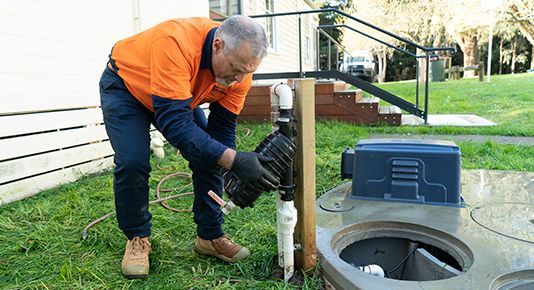
Common Causes of Outdoor Septic Odors and How to Fix Them
A properly functioning septic system should be odorless. However, if you’re starting to notice an unpleasant smell in your yard, it’s a sign that something is wrong. Septic odors can be embarrassing, and they can also be a health hazard. Fortunately, in most cases, the issue can be resolved with some simple troubleshooting and repairs.
This article will delve into the common culprits behind outdoor septic odors, providing insights into the underlying causes and effective solutions to eliminate the unpleasant smells.
Identifying the Source of the Odor
Before you start troubleshooting, it’s essential to pinpoint the source of the odor. This will help you narrow down the potential problems and direct your efforts effectively.
Pay close attention to the location and intensity of the odor. Does it emanate from the septic tank, drain field, or a specific area in your yard? Understanding the odor’s origin is crucial for diagnosing the underlying issue.
Common Causes of Outdoor Septic Odors
1. Septic Tank Overflow
A full or overflowing septic tank is a common culprit behind outdoor septic odors. When the tank reaches its capacity, wastewater can back up into the drain field, leading to a foul odor. This situation typically arises from a malfunctioning septic system, often stemming from a clogged outlet line.
2. Clogged Drain Field
The drain field is responsible for filtering wastewater, and a clogged drain field can lead to sewage backup and odors. This can happen due to various factors, including excessive use of water, improper installation, or the buildup of debris in the drain field.
3. Broken or Leaky Septic Tank Components
Leaks or cracks in the septic tank, lid, or outlet pipe can release unpleasant smells. Even minor leaks can cause significant odor problems, particularly in hot weather.
4. Tree Roots in the Septic System
Tree roots have a tendency to grow into septic system components, including the drain field and outlet pipe. This can create blockages that prevent proper wastewater flow and contribute to septic odors.
5. Improper Septic System Maintenance
Regular maintenance is crucial for a properly functioning septic system. Neglecting to pump out the tank or inspect the drain field can lead to system failures and foul odors.
6. High Water Table
In areas with high water tables, the drain field may struggle to filter wastewater effectively. The presence of standing water around the drain field can also contribute to odor problems.
7. Poorly Designed Septic System
A septic system that was poorly designed or installed from the start can be prone to odor issues. Ensure your system is properly sized and installed according to local building codes.
Solutions to Eliminate Septic Odors
Once you’ve identified the source of the odor, you can start addressing the problem. Here are some solutions to eliminate septic odors:
1. Septic Tank Pumping
Regular septic tank pumping is crucial to prevent overflow and odors. The recommended frequency varies depending on the size of your tank and household water usage, but most tanks should be pumped every 2-3 years. A licensed septic system professional can provide guidance on the appropriate frequency.
2. Drain Field Inspection and Repair
If the odor is emanating from the drain field, inspect it for any signs of blockage, cracks, or damage. Consider using a professional to inspect and repair your drain field. They can diagnose the underlying cause of the blockage and implement effective solutions.
3. Repairing Leaks
If you suspect a leak in your septic tank or its components, it's essential to repair it promptly. Contact a licensed septic system contractor to assess the situation and recommend the best course of action. They can repair or replace damaged components, ensuring the integrity of your system and eliminating the odor source.
4. Eliminating Tree Roots
If tree roots are encroaching on your septic system, it's critical to remove them to prevent further blockages and odor problems. A professional can use specialized equipment to remove the roots and ensure the smooth operation of your system.
5. Improving Septic System Maintenance
Establishing a regular septic system maintenance schedule is essential for preventing odors. This includes:
- Pumping the tank regularly
- Inspecting the drain field for any signs of damage
- Avoiding the use of harsh chemicals in your plumbing system
6. Addressing a High Water Table
If the odor persists despite regular maintenance, a high water table could be the culprit. In such cases, it may be necessary to consult with a septic system professional to explore alternative solutions, such as a larger drain field or a raised septic tank.
7. Septic System Redesign
If the odor is caused by a poorly designed system, a redesign might be necessary. A professional can assess the situation and recommend the best course of action, whether it's a minor adjustment or a complete overhaul.
Preventing Future Odors
Once you’ve addressed the underlying cause of the odor, it’s essential to take preventative measures to avoid future problems. Consider these tips:
- Regularly pump your septic tank.
- Avoid using harsh chemicals or excessive amounts of water.
- Be cautious about the trees planted near your septic system.
- Schedule regular maintenance checks with a licensed septic system professional.
Conclusion
Outdoor septic odors are a nuisance, but they’re often preventable with proactive maintenance and prompt repairs. By understanding the common causes and addressing the underlying issues, you can eliminate unpleasant smells and ensure the longevity and efficiency of your septic system.
If you suspect a problem with your septic system or are experiencing persistent odors, it’s best to contact a licensed septic system professional for a proper diagnosis and repair. Their expertise can help you resolve the issue and ensure a clean and odor-free environment.
0 comments:
Post a Comment