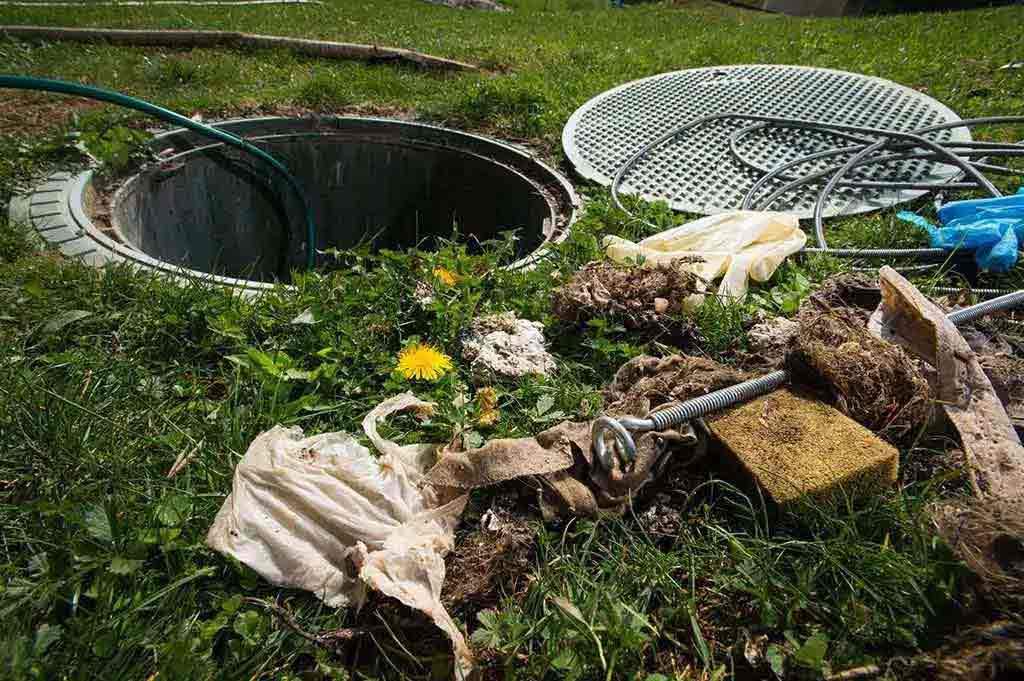
Tips for Reducing Septic Tank Smells Outside
A properly functioning septic system should be odorless. If you're experiencing unpleasant smells emanating from your septic tank area, it's a sign that something is amiss and needs attention. Unwanted odors can be embarrassing and may indicate potential problems within your system. This article outlines practical strategies to reduce and eliminate these offensive scents, enhancing the comfort and hygiene of your property.
Understanding the Source of Septic Tank Odors
The primary cause of septic tank smells is the release of gases produced by the breakdown of organic waste within the tank. These gases, predominantly hydrogen sulfide (which smells like rotten eggs), ammonia, and methane, can escape through various pathways, leading to those unwanted odors. Here are some common reasons why your septic system might be generating these smells:
1. Overloading and Insufficient Bacteria
When your septic tank becomes overloaded with waste, the bacteria responsible for breaking down organic matter cannot keep up. This can lead to a buildup of undigested waste, generating more gases and causing a foul odor.
2. Septic Tank Lid or Vent Issues
A damaged or poorly fitted septic tank lid or vent can allow gases to escape directly into the air. Ensure that the lid is properly secured and that the vent is functioning correctly and unobstructed. Regularly inspect the lid and vent for any cracks or signs of damage.
3. Leaking Pipes or Drainfield Problems
Leaks in your septic system's pipes or the drainfield can allow wastewater to seep into the surrounding soil, releasing unpleasant odors. Look for signs of wetness or pooling water in the vicinity of your septic system, indicating possible leaks.
4. Excess Grease and Oil
Grease and oil do not readily decompose in septic tanks. They can accumulate and form a thick layer, hindering bacterial activity and contributing to odor production. Be mindful of the amount of grease and oil going into your system. Ensure you properly dispose of used cooking oil, avoid pouring grease down the drain, and use a grease trap for your kitchen sink.
5. Improper Maintenance
Neglecting regular maintenance is a primary factor contributing to septic tank odors. Septic tanks require routine pumping and inspection to ensure their efficient operation. Lack of maintenance can lead to a buildup of sludge and scum, creating conditions favorable for odor production.
Effective Strategies to Reduce Septic Tank Smells
Once you've identified the potential source of the odor, you can implement these strategies to alleviate the problem:
1. Regular Septic Tank Pumping
Regular pumping is crucial to maintain a healthy septic system and minimize odor production. Ideally, you should have your septic tank pumped every 3-5 years, but the frequency may vary based on your household size and wastewater usage. Consult with a professional septic service provider to determine the appropriate pumping schedule for your specific system.
2. Using Septic Tank Additives
Septic tank additives contain beneficial bacteria that aid in the breakdown of organic matter, reducing sludge buildup and minimizing odor production. These additives come in various forms, such as liquid, powder, or tablets. Consult with your local septic service provider for recommendations on suitable additives for your specific system.
3. Proper Wastewater Disposal Practices
Your daily habits can significantly impact the health and odor levels of your septic system. Follow these practices to reduce strain on your septic tank:
- Avoid flushing non-biodegradable items, such as wipes, paper towels, and medications, down the toilet.
- Limit the use of harsh chemicals and cleaners, as they can disrupt the bacterial balance in your tank.
- Ensure proper disposal of grease and oil, as mentioned earlier.
- Minimize water usage by taking shorter showers, fixing leaks promptly, and using water-efficient appliances.
4. Inspecting and Maintaining the Septic System
Regular inspections are essential for early detection of problems that can contribute to odors. Look for any signs of cracks, leaks, or blockages in the pipes or drainfield. Also, ensure the septic tank lid is securely fastened and that the vent is clear of obstructions.
5. Landscaping Around the Septic System
Avoid planting trees or shrubs directly above your septic tank or drainfield. Their roots can grow into the system, causing damage and leakage. Additionally, maintain a buffer zone of at least 10 feet around your septic system for proper ventilation and to prevent heavy foot traffic.
6. Addressing Drainfield Issues
If the drainfield is the source of the odor, consider addressing it with professional help. A clogged or failing drainfield needs prompt attention to avoid further damage and odor production. Professionals can assess the situation and recommend appropriate solutions, such as replacing the drainfield or utilizing a different treatment method.
Professional Assistance for Septic Tank Odors
While many strategies can help reduce septic tank odors, some situations require the expertise of a professional septic service provider. If you've tried the above steps without success, or if you suspect a serious issue with your septic system, don't hesitate to contact a qualified professional. They can diagnose the problem accurately and recommend appropriate solutions, ensuring your septic system functions efficiently and odor-free.
Conclusion
Septic tank odors are a common issue, but with proper care and maintenance, you can minimize or eliminate them completely. By understanding the causes of these odors, implementing the strategies outlined above, and seeking professional assistance when necessary, you can ensure a healthy and odor-free septic system, creating a more comfortable and pleasant living environment for you and your family.
0 comments:
Post a Comment