Eradicating Septic Tank Odors in Bathrooms: A Comprehensive Guide
The unpleasant odor emanating from a septic tank, particularly noticeable in bathrooms, can be a significant source of discomfort and concern. This pervasive smell indicates a problem within the septic system, often stemming from a disruption in the biological processes within the tank or issues with venting and plumbing. Addressing this issue effectively requires a multi-pronged approach encompassing immediate remediation of the odor and long-term preventative measures. This comprehensive guide explores various strategies to effectively eliminate and prevent septic tank smells in bathrooms.
Understanding the Source of the Odor
Before embarking on remediation, it is crucial to understand the underlying causes of the septic smell. The characteristic odor is primarily generated by the anaerobic decomposition of organic waste within the septic tank. These decomposition processes release various volatile organic compounds (VOCs), including hydrogen sulfide (H2S), methane (CH4), and mercaptans, which are responsible for the foul smell. Several factors can exacerbate the release of these gases into the bathroom:
Plumbing Issues
Leaks in the plumbing system, particularly in drainpipes connecting the bathroom fixtures to the septic tank, can allow sewer gases to escape directly into the bathroom. Cracks in pipes, faulty seals, or improperly installed venting systems all contribute to this problem. A thorough inspection of all plumbing components within the bathroom and the connection to the septic system is paramount.
Vent Blockages
The septic system relies on a venting system to regulate air pressure and facilitate the escape of gases generated during decomposition. Blockages in the vent stack can create a vacuum effect, forcing sewer gases to back up into the bathroom plumbing and escape through drains, toilets, or other fixtures.
Septic Tank Failure
A failing or overloaded septic tank is a significant contributor to odor problems. When the tank is full or malfunctioning, the decomposition process can become inefficient, leading to increased gas production and a greater likelihood of odor release. Regular maintenance and timely pumping are crucial to prevent this.
Dry Traps
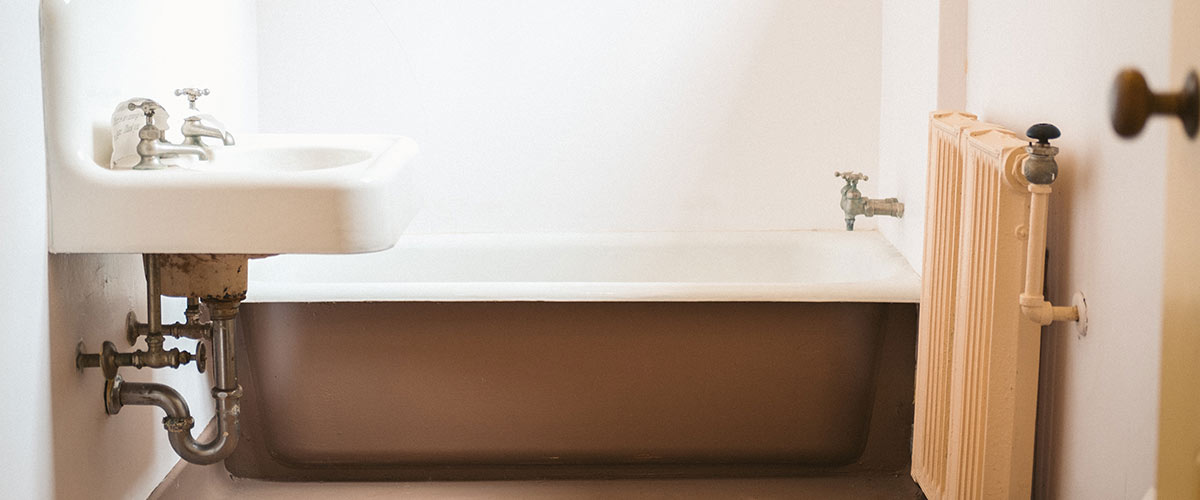
P-traps, the U-shaped sections of pipe under bathroom sinks and other fixtures, are designed to trap water and prevent sewer gases from escaping. If these traps dry out, they lose their sealing ability, allowing the passage of unpleasant odors.
Immediate Remedies for Septic Tank Smell in the Bathroom
When confronted with an immediate septic smell problem, quick action is necessary to alleviate the discomfort. The following methods provide temporary relief while investigating the root cause:
Pouring Boiling Water Down Drains
Boiling water can help dislodge any organic material obstructing the drainpipes and improve drainage. This can temporarily reduce the amount of gases escaping into the bathroom.
Using Baking Soda and Vinegar
A mixture of baking soda and vinegar creates a fizzing reaction that can help clean and deodorize drainpipes. Pour one cup of baking soda down the drain, followed by one cup of vinegar. Let it fizz for about 30 minutes, then flush with hot water.
Commercial Drain Cleaners
Commercial drain cleaners, containing chemicals designed to break down organic matter, can be used to clear blockages and remove odors. However, these should be used cautiously and as per manufacturer instructions, as excessive use can damage pipes.
Air Fresheners and Odor Absorbers
While not addressing the root cause, air fresheners and odor absorbers, such as activated charcoal, can temporarily mask the smell. Place these strategically around the bathroom to neutralize the odor.
Ventilation
Improving ventilation in the bathroom is a simple yet effective measure. Open windows and doors to allow for air circulation. Consider using an exhaust fan to further enhance ventilation and remove odor-causing gases.
Long-Term Solutions for Preventing Septic Tank Smell
Addressing the root cause of the septic smell requires a more comprehensive and long-term approach. This includes preventative measures and professional intervention:
Regular Septic Tank Pumping
Regular pumping of the septic tank is crucial. Schedule a pumping service every 3-5 years, or more frequently if needed, to prevent overloading and subsequent odor issues. The frequency depends on factors like household size and water usage.
Professional Plumbing Inspection
Engage a qualified plumber to inspect the bathroom plumbing system for leaks, cracks, or other potential sources of sewer gas leakage. They can identify and repair any issues promptly.
Septic System Maintenance
Regularly inspect the septic system's components, including the vent stack and baffles within the tank, to ensure proper functionality. Clear any blockages and address any signs of damage or deterioration.
Avoid Pouring Harmful Substances Down Drains
Refrain from pouring grease, oil, chemicals, or other substances down drains that could damage the septic system or interfere with its biological processes. These materials can disrupt the bacterial activity and contribute to odor problems.
Proper Waste Disposal
Be mindful of the amount and type of waste going into the septic system. Excessive use of certain cleaning products and improper disposal of materials can overload the system and contribute to odor issues.
Consider Septic Tank Additives
Septic tank additives, containing beneficial bacteria, can enhance the decomposition process and reduce the accumulation of gases. These can help improve the efficiency of the system and minimize odor production.
Repair or Replace the Septic Tank
In cases of severe damage or failure, the septic tank might need to be repaired or replaced entirely. A professional assessment is required to determine the extent of the damage and the necessary actions.
In conclusion, eliminating septic tank smells in bathrooms requires a thorough understanding of the underlying causes and a combination of immediate and long-term solutions. Addressing plumbing issues, maintaining the septic tank, and practicing responsible waste disposal are crucial for preventing and resolving this problem. If the odor persists despite implementing these measures, consulting a qualified plumber or septic tank professional is recommended for a comprehensive assessment and appropriate remediation strategies.
0 comments:
Post a Comment