Friday, November 22, 2024

The Best Way I Found to Prevent Septic Tank Smells in My Bathroom

The Best Way I Found to Prevent Septic Tank Smells in My Bathroom

The Best Way I Found to Prevent Septic Tank Smells in My Bathroom (And Maybe Save Your Marriage!)

Okay, so let's be honest. Septic tank smells? They're the absolute WORST. That sickly sweet, vaguely sulfurous stench that seeps into your bathroom, clinging to everything and making you want to gag? I've been there. Believe me, I've *been* there. It's the kind of smell that can drive a wedge between you and your spouse faster than a misplaced sock. Seriously, my husband and I almost had a full-blown marital spat over it. Before we nearly called it quits, though, I finally cracked the code on how to banish those foul odors for good. And I'm here to share my hard-earned wisdom with you.

I tried everything. Seriously, *everything*. Those little air fresheners? They just masked the problem, making the whole thing feel even more sinister. Baking soda? Meh. Didn't really do much. Those fancy enzymatic cleaners? Expensive and ultimately underwhelming. I was about to give up hope and start planning a luxurious hotel stay far, far away from home when I stumbled upon the solution.

Understanding the Source of the Problem

Before we dive into the solution, let’s quickly talk about why this even happens. Those septic tank smells aren't just randomly appearing. They're a clear sign that something’s wrong with your plumbing system, most likely a problem with the sewer gas venting system. These gases are naturally produced during the decomposition process in your septic tank, and they need a way to escape. If those vents get clogged, or there are leaks in your plumbing system, those gases can find their way into your house, often making a beeline for the bathroom â€" the lowest point in your home.

Common Culprits:

  • Clogged vent pipes: Leaves, debris, or even bird nests can clog vent pipes, preventing proper ventilation.
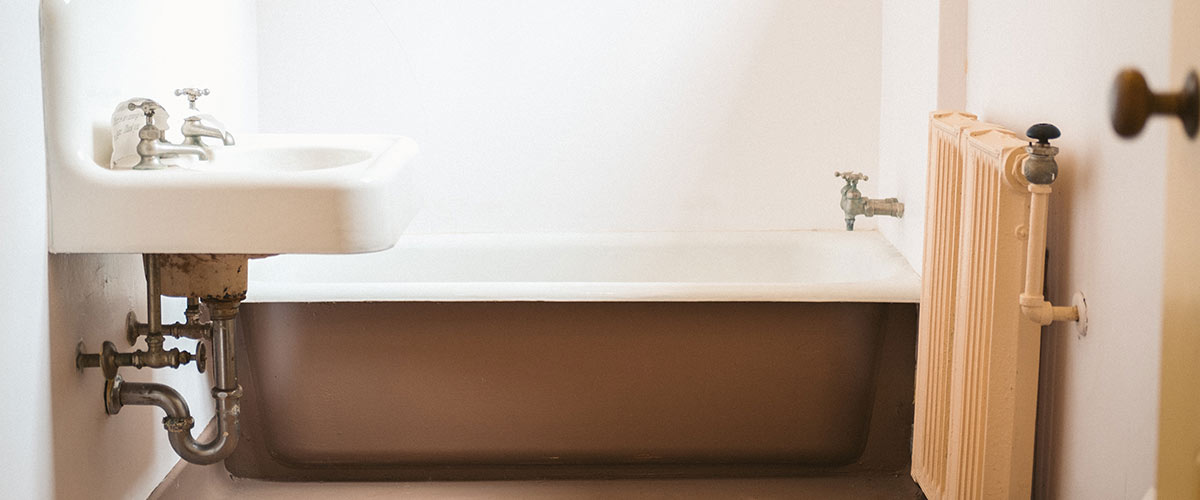
  • Dry P-traps: These are the U-shaped pipes under your sinks and shower. If they dry out, they lose their seal, letting sewer gases escape.
  • Cracked pipes: Small cracks in your plumbing system can allow sewer gases to seep into your home.
  • Improper septic tank maintenance: A neglected septic tank is a breeding ground for nasty smells.

My Miracle Solution: The Power of Plumbing Vent Inspection and Cleaning

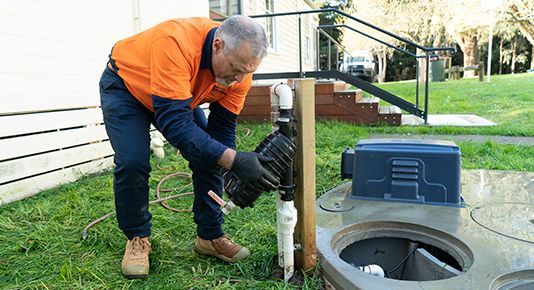
After weeks of frustration, I finally decided to call a plumber. I know, I know, it sounds obvious, but I had been trying to fix it myself for so long, I was embarrassed to admit defeat. The plumber arrived, and after a thorough inspection of my plumbing system (and a little bit of awkward small talk), he discovered the culprit: a partially clogged vent pipe on the roof. Who knew a bird's nest could cause so much marital strife?

He cleared the clog, and that was it. The smell? Gone. Poof. Like magic. Okay, not magic, but pretty darn close. The difference was immediate and dramatic. I felt like I could breathe again (literally!). The relief was immense. My marriage was saved!

But here's the thing: even if you don't have a clogged vent, this solution is still incredibly important. A regular inspection and cleaning of your plumbing vents are preventative maintenance that can save you from a whole world of smelly trouble in the future. It's a small price to pay for peace of mind (and a happy marriage!).

Beyond Vent Cleaning: Additional Tips to Keep Smells Away

While a clean plumbing vent is the most effective way to prevent sewer gas smells, there are other steps you can take to ensure your bathroom remains fresh and odor-free:

  • Keep your P-traps full: Run water in your sinks and shower regularly to ensure the P-traps remain filled and sealed.
  • Regular septic tank pumping: Follow your septic tank professional's recommendations for regular pumping to avoid backups and odors.
  • Avoid pouring grease down the drain: Grease can solidify in your pipes and contribute to clogs.
  • Use a drain cleaner (sparingly): While not a long-term solution, using a drain cleaner occasionally can help prevent minor clogs.
  • Check for leaks: Look for any signs of leaks around your pipes or toilets. Even small leaks can let sewer gases escape.
  • Good ventilation: Make sure your bathroom has proper ventilation, either through a window or exhaust fan. Run the fan regularly, especially after showers.
  • Address any standing water: If you notice any standing water in your shower or sink, address the issue promptly to prevent odors from developing.

Why Professional Help is Often Necessary

While some minor issues can be tackled with DIY solutions, when it comes to your plumbing system, it's best to err on the side of caution. Trying to fix a complex plumbing problem yourself can lead to more expensive repairs down the road, not to mention potential damage to your home. A professional plumber can diagnose the problem accurately and effectively, ensuring a lasting solution. Think of it as an investment in your home's health, your family's well-being, and yes, even your marriage!

Frequently Asked Questions

Q: How often should I have my plumbing vents inspected?

A: Ideally, you should have your plumbing vents inspected annually, or more frequently if you notice any strange smells or suspect a problem.

Q: How much does plumbing vent cleaning cost?

A: The cost will vary depending on your location and the complexity of the work. It's best to contact a local plumber for an accurate estimate.

Q: Can I clean my plumbing vents myself?

A: While you might be tempted to try a DIY approach, it's generally recommended to leave this task to a professional plumber. Incorrectly cleaning your vents could potentially cause more damage.

Q: What if the smell persists after vent cleaning?

A: If the smell persists even after a professional cleaning of your vents, there might be another underlying issue, such as a cracked pipe or a problem with your septic tank. It's crucial to contact a plumber to investigate further.

Q: Are there any natural ways to deal with sewer smells?

A: While things like baking soda and vinegar can help mask odors temporarily, they won't address the root cause of the problem. These methods are best used as a temporary solution alongside professional help to fix the main problem.

So there you have it! My experience battling (and winning!) the war against septic tank smells. Remember, prevention is key, and don't hesitate to call a professional if you need help. Your nose (and your marriage) will thank you!
Read More..

Wednesday, November 20, 2024

Top Remedies for Getting Rid of Septic Tank Smell in the Bathroom

Top Remedies for Getting Rid of Septic Tank Smell in the Bathroom

Eradicating Septic Tank Odors in Bathrooms: A Comprehensive Guide

The unpleasant odor emanating from a septic tank, particularly noticeable in bathrooms, can be a significant source of discomfort and concern. This pervasive smell indicates a problem within the septic system, often stemming from a disruption in the biological processes within the tank or issues with venting and plumbing. Addressing this issue effectively requires a multi-pronged approach encompassing immediate remediation of the odor and long-term preventative measures. This comprehensive guide explores various strategies to effectively eliminate and prevent septic tank smells in bathrooms.

Understanding the Source of the Odor

Before embarking on remediation, it is crucial to understand the underlying causes of the septic smell. The characteristic odor is primarily generated by the anaerobic decomposition of organic waste within the septic tank. These decomposition processes release various volatile organic compounds (VOCs), including hydrogen sulfide (H2S), methane (CH4), and mercaptans, which are responsible for the foul smell. Several factors can exacerbate the release of these gases into the bathroom:

Plumbing Issues

Leaks in the plumbing system, particularly in drainpipes connecting the bathroom fixtures to the septic tank, can allow sewer gases to escape directly into the bathroom. Cracks in pipes, faulty seals, or improperly installed venting systems all contribute to this problem. A thorough inspection of all plumbing components within the bathroom and the connection to the septic system is paramount.

Vent Blockages

The septic system relies on a venting system to regulate air pressure and facilitate the escape of gases generated during decomposition. Blockages in the vent stack can create a vacuum effect, forcing sewer gases to back up into the bathroom plumbing and escape through drains, toilets, or other fixtures.

Septic Tank Failure

A failing or overloaded septic tank is a significant contributor to odor problems. When the tank is full or malfunctioning, the decomposition process can become inefficient, leading to increased gas production and a greater likelihood of odor release. Regular maintenance and timely pumping are crucial to prevent this.

Dry Traps

P-traps, the U-shaped sections of pipe under bathroom sinks and other fixtures, are designed to trap water and prevent sewer gases from escaping. If these traps dry out, they lose their sealing ability, allowing the passage of unpleasant odors.

Immediate Remedies for Septic Tank Smell in the Bathroom

When confronted with an immediate septic smell problem, quick action is necessary to alleviate the discomfort. The following methods provide temporary relief while investigating the root cause:

Pouring Boiling Water Down Drains

Boiling water can help dislodge any organic material obstructing the drainpipes and improve drainage. This can temporarily reduce the amount of gases escaping into the bathroom.

Using Baking Soda and Vinegar

A mixture of baking soda and vinegar creates a fizzing reaction that can help clean and deodorize drainpipes. Pour one cup of baking soda down the drain, followed by one cup of vinegar. Let it fizz for about 30 minutes, then flush with hot water.

Commercial Drain Cleaners

Commercial drain cleaners, containing chemicals designed to break down organic matter, can be used to clear blockages and remove odors. However, these should be used cautiously and as per manufacturer instructions, as excessive use can damage pipes.

Air Fresheners and Odor Absorbers

While not addressing the root cause, air fresheners and odor absorbers, such as activated charcoal, can temporarily mask the smell. Place these strategically around the bathroom to neutralize the odor.

Ventilation

Improving ventilation in the bathroom is a simple yet effective measure. Open windows and doors to allow for air circulation. Consider using an exhaust fan to further enhance ventilation and remove odor-causing gases.

Long-Term Solutions for Preventing Septic Tank Smell

Addressing the root cause of the septic smell requires a more comprehensive and long-term approach. This includes preventative measures and professional intervention:

Regular Septic Tank Pumping

Regular pumping of the septic tank is crucial. Schedule a pumping service every 3-5 years, or more frequently if needed, to prevent overloading and subsequent odor issues. The frequency depends on factors like household size and water usage.

Professional Plumbing Inspection

Engage a qualified plumber to inspect the bathroom plumbing system for leaks, cracks, or other potential sources of sewer gas leakage. They can identify and repair any issues promptly.

Septic System Maintenance

Regularly inspect the septic system's components, including the vent stack and baffles within the tank, to ensure proper functionality. Clear any blockages and address any signs of damage or deterioration.

Avoid Pouring Harmful Substances Down Drains

Refrain from pouring grease, oil, chemicals, or other substances down drains that could damage the septic system or interfere with its biological processes. These materials can disrupt the bacterial activity and contribute to odor problems.

Proper Waste Disposal

Be mindful of the amount and type of waste going into the septic system. Excessive use of certain cleaning products and improper disposal of materials can overload the system and contribute to odor issues.

Consider Septic Tank Additives

Septic tank additives, containing beneficial bacteria, can enhance the decomposition process and reduce the accumulation of gases. These can help improve the efficiency of the system and minimize odor production.

Repair or Replace the Septic Tank

In cases of severe damage or failure, the septic tank might need to be repaired or replaced entirely. A professional assessment is required to determine the extent of the damage and the necessary actions.

In conclusion, eliminating septic tank smells in bathrooms requires a thorough understanding of the underlying causes and a combination of immediate and long-term solutions. Addressing plumbing issues, maintaining the septic tank, and practicing responsible waste disposal are crucial for preventing and resolving this problem. If the odor persists despite implementing these measures, consulting a qualified plumber or septic tank professional is recommended for a comprehensive assessment and appropriate remediation strategies.

Read More..

Tuesday, November 19, 2024

The Role of Bacteria in Preventing Septic Tank Smell

The Role of Bacteria in Preventing Septic Tank Smell

The Unsung Heroes of Odor Control: How Bacteria Keep Your Septic Tank Smell-Free

Imagine this: a picturesque home, a lush green lawn, but lurking beneath the surface, a potential olfactory disaster. Your septic tank, a vital component of your home's plumbing system, holds the key to avoiding this unpleasant scenario. While the tank itself provides crucial wastewater treatment, it's the unseen army of bacteria within that truly keeps the foul smells at bay. These microscopic organisms work tirelessly, breaking down waste and preventing the build-up of gases responsible for that characteristic septic tank odor. Understanding their role is crucial to maintaining a clean, fresh-smelling environment around your home.

The Bacterial Breakdown: A Natural Wastewater Treatment Process

Septic tanks are designed to facilitate the natural decomposition of organic waste. This process relies heavily on anaerobic bacteria, microorganisms that thrive in oxygen-deficient environments. These bacteria perform a series of complex biochemical reactions, essentially “digesting” the solid waste materials like feces, food scraps, and toilet paper. The key to odor prevention lies in this efficient breakdown. When waste decomposes properly, the resulting byproducts are significantly less odorous than the original material. This process converts the sludge into a more stable form and reduces the production of volatile organic compounds (VOCs), the primary culprits behind the unpleasant smell.

Types of Bacteria Involved

Several types of anaerobic bacteria play crucial roles in this process. Different species specialize in breaking down different components of the waste. Some bacteria focus on fermenting carbohydrates, while others target proteins and fats. This synergistic action ensures comprehensive waste decomposition. The exact composition of bacterial communities varies depending on several factors, including the age and type of the septic system and the nature of the wastewater it receives. However, a healthy, balanced population of bacteria is essential for optimal function.

Preventing Septic Tank Odors: The Importance of Maintaining Bacterial Health

While these bacteria perform incredibly efficiently, their effectiveness can be compromised. Maintaining a healthy bacterial population is paramount for preventing unpleasant odors. Several factors can negatively impact these vital organisms:

  • Chemical additives: Pouring harsh chemicals, like bleach or drain cleaners, down the toilet can significantly disrupt the bacterial balance, leading to incomplete waste decomposition and odor problems.
  • Excessive grease and oil: Large quantities of fats and oils can clog the system and create anaerobic conditions that hinder bacterial activity.
  • Overloading the system: Exceeding the septic tank's capacity leads to backup and incomplete waste processing, increasing the likelihood of odor production.
  • Lack of regular maintenance: A neglected septic system can become a breeding ground for harmful bacteria and create an environment conducive to odor formation. Regular pumping and inspection are essential.

By avoiding these practices, you nurture the hardworking bacteria in your septic system. This promotes efficient waste decomposition, keeping your septic tank functioning effectively and your home smelling fresh.

The Bottom Line: A Symbiotic Relationship

The relationship between homeowners and the bacteria in their septic tanks is a symbiotic one. We provide the waste, and the bacteria provide the crucial service of odor-free wastewater treatment. By understanding the role these unsung heroes play and taking steps to support their activity, we ensure the smooth and odorless operation of a critical component of our homes, keeping our living spaces pleasant and comfortable.

Read More..

Sunday, November 17, 2024

Septic Tank Odor Eliminators: How They Work and Why You Need Them

Septic Tank Odor Eliminators: How They Work and Why You Need Them

Septic Tank Odor Eliminators: How They Work and Why You Need Them

A properly functioning septic system is essential for maintaining a healthy and hygienic living environment. While these systems are designed to effectively process waste, they can sometimes produce unpleasant odors that permeate the surrounding area. Septic tank odor eliminators are specifically designed to address this issue, offering a convenient and effective solution to neutralize foul smells and improve overall sanitation.

Understanding the Source of Septic Tank Odors

The characteristic odor associated with septic tanks arises from the breakdown of organic matter within the system. As waste materials decompose, bacteria release various volatile compounds, including hydrogen sulfide, ammonia, and methane. These gases can escape from the tank and travel through the plumbing system, ultimately reaching the surface and creating an unpleasant aroma.

Several factors can contribute to the severity of septic tank odors, including:

  • Overloading the system: Exceeding the septic tank's capacity with excessive waste can lead to inefficient processing and increased odor production.
  • Improper maintenance: Neglecting routine maintenance tasks like pumping out the tank and inspecting the system can result in the buildup of sludge and solids, contributing to odor generation.
  • Cracks or leaks: Damage to the septic tank or plumbing system can allow gases to escape and spread throughout the surrounding area.
  • Poor ventilation: Insufficient ventilation in the septic tank or the surrounding area can trap odor-causing gases, preventing their dispersal.

How Septic Tank Odor Eliminators Work

Septic tank odor eliminators utilize a variety of mechanisms to neutralize or mask unpleasant smells, creating a more pleasant and hygienic environment.

1. Bacteria-Based Solutions

Some odor eliminators contain beneficial bacteria that break down organic matter in the septic tank, reducing the production of odor-causing gases. These bacteria work similarly to those naturally present in the system, but they are specifically selected for their ability to effectively digest waste and minimize odors.

2. Enzyme-Based Solutions

Enzyme-based odor eliminators contain specialized enzymes that target specific odor-causing molecules. These enzymes break down the molecules into less volatile substances, effectively eliminating or reducing the odor intensity.

3. Odor Neutralizers

Other odor eliminators employ odor neutralizers that chemically bind to the odor-causing molecules, preventing them from reaching the nose and creating a perception of odor. These neutralizers often contain ingredients like activated carbon, zeolites, or other absorbent materials.

4. Masking Agents

Some odor eliminators employ masking agents to temporarily mask the unpleasant smell with a more pleasant fragrance. This approach does not eliminate the underlying source of the odor but can create a more agreeable olfactory experience.

Why You Need a Septic Tank Odor Eliminator

Utilizing a septic tank odor eliminator offers several advantages, making it a valuable investment for homeowners with septic systems.

1. Improved Indoor Air Quality

Septic tank odors can permeate the house, affecting indoor air quality and creating an unpleasant living environment. Odor eliminators help neutralize these smells, contributing to a healthier and more comfortable home.

2. Enhanced Outdoor Aesthetics

Septic tank odors can also be noticeable outdoors, impacting the overall aesthetics and desirability of the property. Odor eliminators help eliminate these odors, creating a more pleasant and welcoming environment for both residents and guests.

3. Reduced Health Risks

Some odor-causing gases released from septic tanks, such as hydrogen sulfide, can be harmful to human health. Odor eliminators help mitigate these risks by reducing the concentration of these gases in the surrounding environment.

4. Extended Septic System Lifespan

Bacteria-based and enzyme-based odor eliminators can contribute to a healthier septic system by breaking down organic matter and preventing the buildup of sludge. This can help prolong the lifespan of the system and reduce the frequency of expensive maintenance tasks.

5. Peace of Mind

By effectively controlling septic tank odors, odor eliminators provide homeowners with peace of mind, knowing that their home and surrounding environment are free from unpleasant smells and potential health hazards.

Choosing the Right Septic Tank Odor Eliminator

Selecting the most appropriate odor eliminator for your needs depends on several factors, including the severity of the odor, the size of your septic system, and your personal preferences.

1. Type of Solution

Consider the different types of odor eliminators available, including bacteria-based, enzyme-based, odor neutralizers, and masking agents, and choose one that aligns with your specific requirements and preferences.

2. Application Method

Some odor eliminators are applied directly to the septic tank, while others are added to the toilet bowl or drain lines. Consider the ease of application and the frequency of use when making your choice.

3. Ingredients

Review the ingredients of the odor eliminator and choose one that is safe for your septic system and the environment. Some ingredients may be harmful to beneficial bacteria or contribute to other environmental issues.

4. Reviews and Recommendations

Research different odor eliminators and read reviews from other users to gain insights into their effectiveness and overall performance.

Maintenance and Use

To ensure optimal performance and maximize the benefits of using a septic tank odor eliminator, follow these maintenance and use guidelines:

  • Follow the manufacturer's instructions: Each odor eliminator has specific application guidelines and usage recommendations. Adhering to these instructions ensures proper and safe use.
  • Pump out your septic tank regularly: Regardless of the odor eliminator you choose, regular pumping of the septic tank is crucial for preventing sludge buildup and maintaining optimal performance.
  • Monitor for odor changes: If you notice a change in odor intensity or frequency, it may indicate a problem with your septic system. Contact a qualified professional for inspection and repairs.
  • Avoid overloading the system: Be mindful of the amount of waste you generate and ensure that your septic system is not overloaded. Excessive waste can contribute to odor production and negatively impact system performance.
  • Maintain proper ventilation: Ensure that your septic tank and surrounding area are properly ventilated to prevent the accumulation of odor-causing gases.

Conclusion

Septic tank odor eliminators are essential tools for maintaining a pleasant and hygienic living environment. By neutralizing or masking unpleasant smells, these products improve indoor and outdoor air quality, reduce health risks, extend the lifespan of your septic system, and provide peace of mind. Choose the right odor eliminator for your needs, follow proper maintenance practices, and enjoy the benefits of a fresh-smelling and properly functioning septic system.

Read More..

Common Causes of Outdoor Septic Odors and How to Fix Them

Common Causes of Outdoor Septic Odors and How to Fix Them

Common Causes of Outdoor Septic Odors and How to Fix Them

A properly functioning septic system should be odorless. However, if you’re starting to notice an unpleasant smell in your yard, it’s a sign that something is wrong. Septic odors can be embarrassing, and they can also be a health hazard. Fortunately, in most cases, the issue can be resolved with some simple troubleshooting and repairs.

This article will delve into the common culprits behind outdoor septic odors, providing insights into the underlying causes and effective solutions to eliminate the unpleasant smells.

Identifying the Source of the Odor

Before you start troubleshooting, it’s essential to pinpoint the source of the odor. This will help you narrow down the potential problems and direct your efforts effectively.

Pay close attention to the location and intensity of the odor. Does it emanate from the septic tank, drain field, or a specific area in your yard? Understanding the odor’s origin is crucial for diagnosing the underlying issue.

Common Causes of Outdoor Septic Odors

1. Septic Tank Overflow

A full or overflowing septic tank is a common culprit behind outdoor septic odors. When the tank reaches its capacity, wastewater can back up into the drain field, leading to a foul odor. This situation typically arises from a malfunctioning septic system, often stemming from a clogged outlet line.

2. Clogged Drain Field

The drain field is responsible for filtering wastewater, and a clogged drain field can lead to sewage backup and odors. This can happen due to various factors, including excessive use of water, improper installation, or the buildup of debris in the drain field.

3. Broken or Leaky Septic Tank Components

Leaks or cracks in the septic tank, lid, or outlet pipe can release unpleasant smells. Even minor leaks can cause significant odor problems, particularly in hot weather.

4. Tree Roots in the Septic System

Tree roots have a tendency to grow into septic system components, including the drain field and outlet pipe. This can create blockages that prevent proper wastewater flow and contribute to septic odors.

5. Improper Septic System Maintenance

Regular maintenance is crucial for a properly functioning septic system. Neglecting to pump out the tank or inspect the drain field can lead to system failures and foul odors.

6. High Water Table

In areas with high water tables, the drain field may struggle to filter wastewater effectively. The presence of standing water around the drain field can also contribute to odor problems.

7. Poorly Designed Septic System

A septic system that was poorly designed or installed from the start can be prone to odor issues. Ensure your system is properly sized and installed according to local building codes.

Solutions to Eliminate Septic Odors

Once you’ve identified the source of the odor, you can start addressing the problem. Here are some solutions to eliminate septic odors:

1. Septic Tank Pumping

Regular septic tank pumping is crucial to prevent overflow and odors. The recommended frequency varies depending on the size of your tank and household water usage, but most tanks should be pumped every 2-3 years. A licensed septic system professional can provide guidance on the appropriate frequency.

2. Drain Field Inspection and Repair

If the odor is emanating from the drain field, inspect it for any signs of blockage, cracks, or damage. Consider using a professional to inspect and repair your drain field. They can diagnose the underlying cause of the blockage and implement effective solutions.

3. Repairing Leaks

If you suspect a leak in your septic tank or its components, it's essential to repair it promptly. Contact a licensed septic system contractor to assess the situation and recommend the best course of action. They can repair or replace damaged components, ensuring the integrity of your system and eliminating the odor source.

4. Eliminating Tree Roots

If tree roots are encroaching on your septic system, it's critical to remove them to prevent further blockages and odor problems. A professional can use specialized equipment to remove the roots and ensure the smooth operation of your system.

5. Improving Septic System Maintenance

Establishing a regular septic system maintenance schedule is essential for preventing odors. This includes:

  • Pumping the tank regularly
  • Inspecting the drain field for any signs of damage
  • Avoiding the use of harsh chemicals in your plumbing system

6. Addressing a High Water Table

If the odor persists despite regular maintenance, a high water table could be the culprit. In such cases, it may be necessary to consult with a septic system professional to explore alternative solutions, such as a larger drain field or a raised septic tank.

7. Septic System Redesign

If the odor is caused by a poorly designed system, a redesign might be necessary. A professional can assess the situation and recommend the best course of action, whether it's a minor adjustment or a complete overhaul.

Preventing Future Odors

Once you’ve addressed the underlying cause of the odor, it’s essential to take preventative measures to avoid future problems. Consider these tips:

  • Regularly pump your septic tank.
  • Avoid using harsh chemicals or excessive amounts of water.
  • Be cautious about the trees planted near your septic system.
  • Schedule regular maintenance checks with a licensed septic system professional.

Conclusion

Outdoor septic odors are a nuisance, but they’re often preventable with proactive maintenance and prompt repairs. By understanding the common causes and addressing the underlying issues, you can eliminate unpleasant smells and ensure the longevity and efficiency of your septic system.

If you suspect a problem with your septic system or are experiencing persistent odors, it’s best to contact a licensed septic system professional for a proper diagnosis and repair. Their expertise can help you resolve the issue and ensure a clean and odor-free environment.

Read More..

How to Get Rid of Septic Tank Smells Inside Your House Quickly

How to Get Rid of Septic Tank Smells Inside Your House Quickly

How to Get Rid of Septic Tank Smells Inside Your House Quickly

The unmistakable odor of sewage emanating from your home is not only unpleasant but can also be indicative of a serious problem with your septic system. While the source of the smell may be your septic tank, it could also originate from other areas in your plumbing system. This article will guide you through the steps to quickly identify and eliminate those pesky septic tank smells from your home.

Identifying the Source of the Septic Tank Smell

Before embarking on a smelly adventure to rid your home of the offensive odor, it is crucial to identify the source. While the septic tank is a common culprit, other factors could be at play. Here's a breakdown:

The Septic Tank Itself

A malfunctioning septic tank is the most likely source of the smell. Here are some signs that point to your septic tank as the problem:

  • Gurgling sounds in your drains, especially during periods of high water usage.
  • Slow draining in sinks, showers, or toilets.
  • Pooling of water near the septic tank or drain field.
  • A distinct sewage odor, particularly noticeable near drains, the basement, or crawl spaces.

If you suspect your septic tank is the culprit, it's advisable to contact a qualified septic service professional to inspect and diagnose the issue. They can determine if the tank needs to be pumped or if there are other underlying problems that need to be addressed.

Other Plumbing Issues

While your septic tank is a potential source, it's important to consider other plumbing problems that might be contributing to the smell:

  • Broken sewer lines can leak sewage into the soil, resulting in an odor that permeates your home.
  • Clogged drain lines can trap waste and create a breeding ground for bacteria, leading to foul smells.
  • Faulty vent pipes are essential for allowing gases from your plumbing system to escape outside. A blocked or malfunctioning vent pipe can cause odors to back up into your home.
  • Dry traps in your plumbing fixtures can allow sewer gases to enter your house. Traps are U-shaped pipes filled with water that create a seal, preventing gases from escaping. When the water in the trap evaporates, the seal is broken, allowing odors to enter.

If the smell originates from a specific drain or fixture, it's likely a plumbing issue rather than the septic tank. You can try to address these issues yourself or contact a plumber for professional help.

Quick Fixes to Eliminate Septic Tank Smells

While a professional assessment is often necessary, there are some quick fixes you can try to alleviate the septic tank smell:

Ventilate the Area

Open windows and doors to allow fresh air to circulate and remove stale, smelly air. This is a simple but effective way to reduce the intensity of the odor.

Use Baking Soda and Vinegar

Pour a cup of baking soda down the drain followed by a cup of vinegar. The mixture will create a fizzing action that can help clear clogs and eliminate odors.

Boiling Water

Pour boiling water down the drain. The heat can help to dislodge debris and break down bacteria that contribute to the smell.

Use Commercial Drain Cleaners

Commercial drain cleaners can be effective at breaking down clogs and eliminating odors. However, use these products cautiously as they can be harmful to your plumbing system and the environment.

Deodorizing the Air

Place bowls of baking soda or activated charcoal in the affected areas. These materials absorb odors and can help to freshen the air.

Use Essential Oils

Diffuse essential oils with strong scents like citrus, peppermint, or lavender. The pleasant fragrance can help to mask the unpleasant odor.

Preventing Septic Tank Smells in the Future

Once you've addressed the immediate smell, it's important to take steps to prevent it from recurring:

Maintain Your Septic Tank

Regularly pump your septic tank to prevent it from overflowing. The frequency of pumping depends on the size of your tank and the number of people living in your home. It's generally recommended to pump your tank every 3-5 years.

Avoid Flushing Non-Biodegradable Items

Do not flush items such as coffee grounds, grease, hair, or baby wipes down the toilet. These materials can clog your septic system and contribute to odors.

Use Septic-Safe Products

Choose septic-safe cleaning products, laundry detergents, and dish soaps that won't harm the bacteria in your septic tank.

Be Mindful of Water Usage

Reduce water usage by taking shorter showers, fixing leaky faucets, and avoiding running the washing machine or dishwasher unnecessarily. This helps to prevent overloading your septic system.

When to Call a Professional

If the smell persists or if you suspect a more serious plumbing problem, it's essential to contact a qualified plumber or septic service professional. They can diagnose the problem and recommend the appropriate solution, ensuring the safety and functionality of your septic system.

Conclusion

Septic tank smells can be unpleasant and embarrassing, but by following the steps outlined in this article, you can quickly eliminate those odors and prevent them from recurring. Remember to take preventative measures to maintain your septic system and keep your home smelling fresh and inviting.

Read More..

Saturday, November 16, 2024

How to Manage and Eliminate Septic Tank Odors Outdoors

How to Manage and Eliminate Septic Tank Odors Outdoors

How to Manage and Eliminate Septic Tank Odors Outdoors

The unmistakable scent of sewage wafting from your yard can be a major embarrassment and a health concern. It signals a problem with your septic system, and it’s important to address the issue promptly. The good news is that you can effectively manage and eliminate those unpleasant odors with a combination of proactive measures and simple solutions.

Understanding the Source of the Odor

Before you start tackling septic tank odors, it’s essential to understand where they originate. The most common culprit is hydrogen sulfide gas (H2S), a colorless, toxic gas with a distinct rotten egg smell. This gas is produced by bacteria breaking down organic matter in your septic tank. When the tank is overloaded or not properly maintained, H2S can escape into the atmosphere, leading to unpleasant odors in your yard.

Preventing Septic Tank Odors: A Proactive Approach

The best way to deal with septic tank odors is to prevent them in the first place. Here’s how you can keep your system running smoothly and odor-free:

Regular Maintenance is Key

Regularly pumping out your septic tank is crucial. A full tank can lead to backups and overflows, causing odors to seep out. Aim for a pumping every 3-5 years, or more frequently if you have a large family or experience heavy wastewater use.

Mind Your Wastewater

Avoid flushing items down the toilet that can clog your system and cause problems. This includes:

  • Disposable wipes (even those labeled “flushable”)
  • Paper towels
  • Grease and oils
  • Hair
  • Excessive amounts of toilet paper

Protect Your Drainfield

The drainfield is where wastewater is filtered and released back into the environment. Avoid driving or parking vehicles over your drainfield, as this can compact the soil and hinder drainage.

Eliminating Existing Odors: Effective Solutions

If you’re already dealing with septic tank odors, don’t panic. There are several effective ways to eliminate them:

Deodorizers and Additives

Septic tank deodorizers and additives can help neutralize odors and improve system efficiency. These products contain bacteria and enzymes that break down waste and reduce the production of H2S gas.

Ventilation is Vital

Ensure your septic tank has proper ventilation. A vent pipe should extend above the roofline, allowing gases to escape safely. If the vent pipe is blocked or damaged, it can trap odors.

Consider a Septic Tank Odor Trap

A septic tank odor trap is a specialized device installed in the vent pipe. It uses water to create a seal, preventing odors from escaping while still allowing gases to vent properly.

Outdoor Air Freshener

While not a permanent solution, you can use outdoor air fresheners to mask odors temporarily. Place them strategically around your yard, particularly near the septic tank area.

Professional Assistance

If the odor persists or worsens, it’s best to call a qualified septic system professional. They can inspect your system, identify the root cause of the odor, and recommend the best solutions. Don’t hesitate to seek professional helpâ€"a well-maintained septic system is essential for a healthy and odor-free environment.

Read More..